

Are plastic pallets suitable for sea freight? This is a question that many businesses involved in international trade often ponder. As a plastic pallet supplier, I've had extensive experience in this area, and I'm here to share my insights on the matter.
Advantages of Plastic Pallets for Sea Freight
Durability
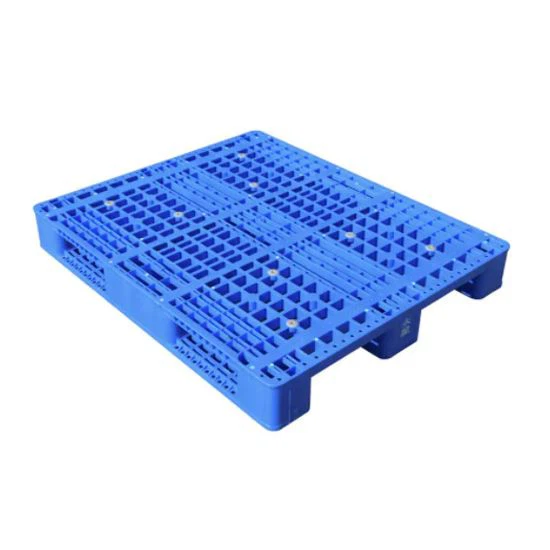
One of the most significant advantages of plastic pallets in sea freight is their durability. Unlike wooden pallets, which can be prone to rot, splintering, and insect infestation, plastic pallets are made from high - quality polymers such as HDPE (High - Density Polyethylene). These materials are resistant to moisture, saltwater, and harsh weather conditions typically encountered during sea voyages. For instance, our Warehouse Four Way HDPE Plastic Pallet is designed to withstand the rigors of long - distance sea transportation. It can endure the constant movement, stacking, and exposure to the elements without losing its structural integrity.
Hygiene
In the context of sea freight, where goods may be transported across different regions and ports, hygiene is of utmost importance. Plastic pallets are easy to clean and sanitize, which helps prevent the spread of pests, bacteria, and contaminants. This is particularly crucial for industries such as food and pharmaceuticals. Our Warehouse Four Way Plastic Pallet can be easily washed with common cleaning agents, ensuring that the goods they carry remain in a clean and safe environment throughout the journey.
Standardization
Plastic pallets can be manufactured to strict standards, which is beneficial for sea freight. Standardized pallets are more likely to fit properly into shipping containers, maximizing the use of space. They also ensure compatibility with various handling equipment such as forklifts and pallet jacks, which are commonly used in ports and warehouses. Our Warehouse Racking Plastic Pallet is designed to meet international standards, making it a reliable choice for sea - going shipments.

Lightweight
Compared to wooden pallets, plastic pallets are generally lighter. This is a significant advantage in sea freight as it reduces the overall weight of the cargo. Lower weight means lower shipping costs, as many shipping companies charge based on weight or volume. Additionally, lighter pallets are easier to handle, which can increase efficiency in loading and unloading operations.
Challenges of Plastic Pallets for Sea Freight
Cost
One of the main challenges of using plastic pallets for sea freight is the initial cost. Plastic pallets are typically more expensive than wooden pallets. However, it's important to consider the long - term benefits. The durability and reusability of plastic pallets mean that over time, the cost per use can be lower. They also reduce the risk of damage to goods, which can save money on potential losses.
Environmental Concerns
Although plastic pallets are more durable and reusable than wooden pallets, there are still environmental concerns associated with their production and disposal. Plastic is a non - biodegradable material, and improper disposal can lead to environmental pollution. However, many plastic pallet manufacturers, including us, are taking steps to address these issues. We are exploring the use of recycled plastics in our pallet production and promoting the recycling of used pallets.
Considerations for Using Plastic Pallets in Sea Freight
Packaging Design
When using plastic pallets for sea freight, it's important to consider the packaging design of the goods. The pallets should be able to support the weight and shape of the products. Adequate strapping and bracing may be required to secure the goods on the pallets during the rough sea journey.
Port and Warehouse Infrastructure
The infrastructure at ports and warehouses also plays a role in the suitability of plastic pallets for sea freight. Some ports may have specific requirements or handling equipment that may be more compatible with certain types of pallets. It's important to communicate with the shipping company and the port authorities to ensure that the plastic pallets can be handled smoothly.
Conclusion
In conclusion, plastic pallets can be a suitable option for sea freight, especially when considering their durability, hygiene, standardization, and lightweight properties. While there are challenges such as cost and environmental concerns, the long - term benefits often outweigh these drawbacks. As a plastic pallet supplier, we are committed to providing high - quality pallets that meet the needs of our customers in the sea freight industry.
If you are interested in learning more about our plastic pallets or would like to discuss your specific sea freight requirements, we encourage you to contact us for a detailed consultation. Our team of experts is ready to assist you in finding the most suitable pallet solutions for your business.
References
- "Plastic Pallets in the Logistics Industry: A Review", Journal of Logistics Management
- "Best Practices for Sea Freight Transportation", International Shipping Association Publications


