

In the dynamic landscape of the textile industry, the choice of pallets plays a crucial role in ensuring efficient operations, product safety, and cost - effectiveness. As a plastic pallet supplier, I am often asked whether plastic pallets can be used in the textile industry. The answer is a resounding yes, and in this blog, I will delve into the reasons why plastic pallets are an excellent choice for the textile sector.
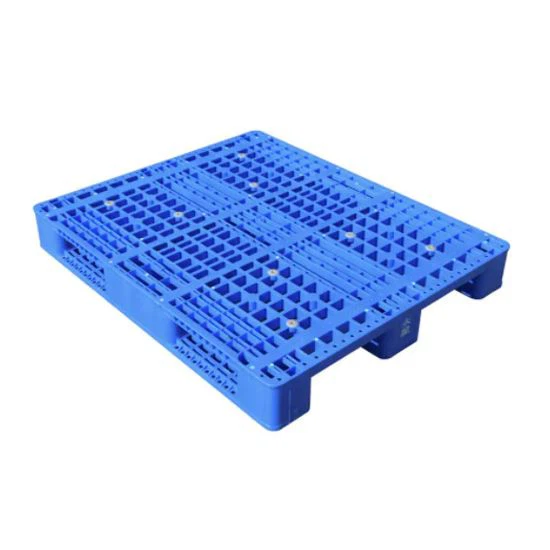

Advantages of Plastic Pallets in the Textile Industry
Hygiene and Cleanliness
Textiles are sensitive products that require a clean and contamination - free environment. Plastic pallets are non - porous and smooth, which makes them easy to clean and sanitize. Unlike wooden pallets, they do not absorb moisture, dirt, or chemicals, reducing the risk of mold, mildew, and pest infestations. This is particularly important for textile products that are stored or transported for extended periods. For example, high - end silk fabrics can be easily damaged by dirt or pests, and plastic pallets provide a reliable solution to maintain their quality.
Durability and Longevity
The textile industry involves a lot of handling, stacking, and transportation of goods. Plastic pallets are highly durable and can withstand heavy loads, frequent handling, and harsh environmental conditions. They are resistant to impact, corrosion, and wear and tear, which means they have a longer lifespan compared to wooden pallets. A single plastic pallet can be used for many years, reducing the need for frequent replacements and saving costs in the long run. Our Warehouse Four Way Plastic Pallet is designed to meet the high - demand handling requirements in the textile industry, ensuring that your products are safely transported and stored.
Lightweight and Easy to Handle
Plastic pallets are generally lighter than wooden pallets, which makes them easier to handle. This is beneficial in the textile industry, where workers may need to move pallets around frequently. The reduced weight also means lower transportation costs, as less fuel is required to move the same amount of goods. Additionally, the lightweight nature of plastic pallets makes them suitable for automated handling systems, which are becoming increasingly popular in modern textile warehouses.
Customization Options
Every textile business has unique requirements, and plastic pallets can be customized to meet these needs. They can be designed in different sizes, shapes, and colors, and can be equipped with special features such as anti - slip surfaces, RFID tags, and nesting capabilities. For example, if a textile company needs to stack pallets in a specific way to optimize warehouse space, we can provide custom - designed Warehouse Four Way HDPE Plastic Pallet that fit their requirements perfectly.
Compatibility with Automated Systems
The textile industry is moving towards greater automation, and plastic pallets are well - suited for use with automated handling equipment such as conveyor belts, forklifts, and palletizers. Their uniform size and shape ensure smooth operation in automated systems, reducing the risk of jams and downtime. This compatibility with automation not only improves efficiency but also reduces labor costs and human error.
Challenges and Solutions
Initial Cost
One of the main concerns that textile companies may have is the higher initial cost of plastic pallets compared to wooden pallets. However, it is important to consider the long - term benefits. As mentioned earlier, plastic pallets have a longer lifespan and lower maintenance costs, which can offset the higher upfront investment. Additionally, some plastic pallet suppliers offer financing options or leasing programs to help businesses manage the initial cost.
Recycling and Sustainability
In today's environmentally conscious world, sustainability is a major concern. While plastic pallets are made from synthetic materials, many of them are recyclable. At our company, we are committed to sustainable manufacturing practices and offer recyclable plastic pallets. We also encourage our customers to recycle their used pallets at the end of their lifespan, contributing to a circular economy.
Case Studies
Let's take a look at some real - world examples of how plastic pallets have been successfully used in the textile industry.
A large textile manufacturer was facing issues with wooden pallets, including breakage, pest infestations, and difficulty in cleaning. They decided to switch to our Warehouse Racking Plastic Pallet. After the switch, they noticed a significant improvement in product quality, as the plastic pallets provided a clean and stable surface for storing their textiles. They also experienced a reduction in handling costs due to the lightweight and durability of the plastic pallets.
Another textile distributor was struggling with inefficient warehouse operations. They implemented our custom - designed plastic pallets, which were compatible with their automated handling system. This led to a 30% increase in warehouse efficiency, as the pallets moved smoothly through the conveyor belts and palletizers, reducing downtime and improving productivity.
Conclusion
In conclusion, plastic pallets are a viable and advantageous option for the textile industry. Their hygiene, durability, lightweight nature, customization options, and compatibility with automated systems make them an ideal choice for storing, handling, and transporting textile products. While there are some challenges such as the initial cost and sustainability concerns, these can be addressed through proper planning and the use of sustainable manufacturing practices.
If you are in the textile industry and are considering switching to plastic pallets, I encourage you to contact us for a consultation. Our team of experts can help you choose the right plastic pallets for your specific needs and provide you with a cost - effective solution. We are committed to providing high - quality products and excellent customer service, and we look forward to working with you to improve your operations and bottom line.
References
- "Pallet Design and Management for the Textile Supply Chain" - Journal of Textile Logistics
- "The Impact of Plastic Pallets on Warehouse Efficiency in the Textile Industry" - International Journal of Supply Chain Management
- "Sustainable Packaging Solutions for the Textile Sector" - Textile Sustainability Review


