

Yo, folks! I'm in the plastic pallet game, and I often get asked, "Do plastic pallets have a good impact on the overall logistics cost?" Well, let's dive right into it and break it down.
First off, let's talk about durability. Plastic pallets are tough cookies. Unlike wooden pallets, they don't splinter, crack, or rot easily. I mean, think about it. Wooden pallets can get damaged during handling, transportation, or even just sitting in a warehouse. And once they're damaged, they might not be able to hold as much weight or could cause issues during stacking. But plastic pallets? They can take a beating. They're made to withstand the rigors of the logistics world, whether it's being moved around by forklifts or stacked high in a warehouse. This durability means they last longer. You don't have to keep replacing them as often as you would wooden pallets. And that, my friends, translates into cost savings in the long run.
Another big plus is hygiene. In industries like food and pharmaceuticals, cleanliness is super important. Wooden pallets can harbor bacteria, mold, and pests. You wouldn't want that near your food products, right? Plastic pallets, on the other hand, are easy to clean. You can just hose them down or use a disinfectant, and they're good to go. This reduces the risk of contamination and potential product recalls, which can be extremely costly for businesses. So, from a hygiene perspective, plastic pallets are a no - brainer and can save a ton of money in avoiding those nightmare scenarios.
Now, let's look at weight. Plastic pallets are generally lighter than wooden pallets. When you're shipping goods, every pound matters. A lighter pallet means you can carry more product in the same shipment without exceeding weight limits. This can lead to significant savings in transportation costs. For example, if you're shipping by truck, you can make fewer trips to deliver the same amount of goods, which cuts down on fuel costs, driver wages, and vehicle wear and tear. And if you're shipping by air or sea, the weight savings can also result in lower freight charges.
In terms of space utilization, plastic pallets are pretty awesome. They come in standardized sizes and have a consistent shape. This makes them easier to stack and arrange in a warehouse. You can maximize your storage space, which is especially important if you're paying rent for a large warehouse. Plus, some plastic pallets, like the Warehouse Four Way Plastic Pallet, are designed to be accessed from all four sides. This allows for more efficient handling with forklifts and other equipment, reducing the time it takes to load and unload goods. And as we all know, time is money in the logistics business.
Let's not forget about compatibility. Plastic pallets are compatible with automated handling systems. Many modern warehouses use conveyor belts, robotic forklifts, and other automated equipment. Wooden pallets might not work as well with these systems because of their inconsistent quality and potential for damage. Plastic pallets, however, are smooth and have a uniform structure, which makes them ideal for automated processes. This can increase the efficiency of your warehouse operations and reduce labor costs.
But what about the initial cost? It's true that plastic pallets usually cost more upfront than wooden pallets. However, when you consider the long - term savings in replacement costs, transportation costs, and reduced risks, the initial investment pays off. You're basically paying a little more now to save a whole lot more later.
Let's take a look at some specific types of plastic pallets. The Warehouse Four Way HDPE Plastic Pallet is made from high - density polyethylene (HDPE). This material is not only strong but also resistant to chemicals. So, if you're dealing with products that might come into contact with chemicals, this is a great option. And the four - way access feature makes it very versatile for different handling methods.
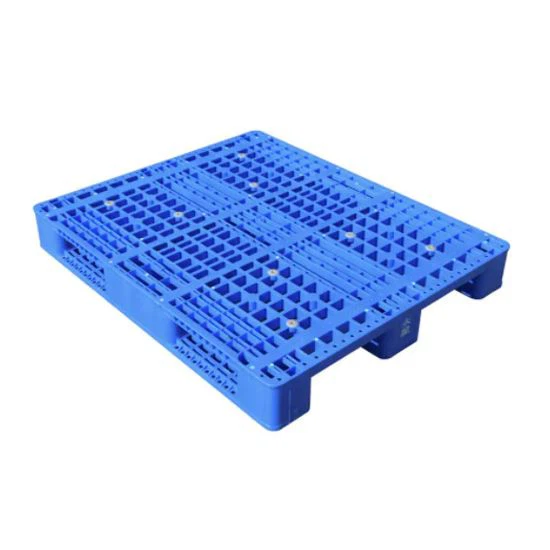

The Warehouse Racking Plastic Pallet is designed specifically for use in racking systems. It has a structure that can support heavy loads when stacked on racks. This is crucial for warehouses that need to store a large amount of inventory in a vertical space. By using these pallets, you can ensure the safety of your goods and make the most of your racking system.
In conclusion, plastic pallets have a huge positive impact on the overall logistics cost. Their durability, hygiene, weight, space utilization, and compatibility with automated systems all contribute to cost savings in the long run. Sure, the upfront cost might be a bit higher, but it's an investment that will pay off big time.
If you're in the market for plastic pallets and want to learn more about how they can benefit your business, I'd love to chat. Drop me a message, and we can start a conversation about your specific needs and how our plastic pallets can fit into your logistics operations. Let's work together to cut down those logistics costs and make your business more efficient!
References:
- Industry reports on logistics cost analysis
- Studies on the durability and hygiene of plastic and wooden pallets
- Research on the impact of pallet weight on transportation costs


