

Hey there! As a plastic pallet supplier, I've seen firsthand how crucial it is to design the right plastic pallet for a specific application. Whether you're in the warehousing business, logistics, or any other industry that relies on pallets, getting the design right can save you time, money, and a whole lot of headaches. In this blog post, I'll share some tips on how to design a plastic pallet tailored to your specific needs.
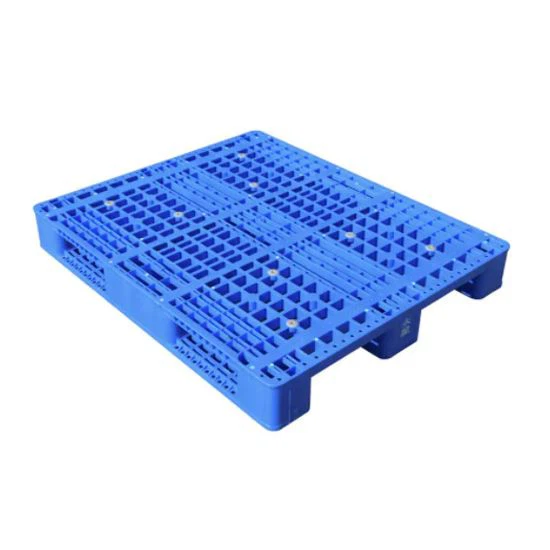

Understand the Application
The first step in designing a plastic pallet is to understand the application it will be used for. Different industries and applications have different requirements, so it's important to take the time to analyze your specific needs. Here are some key factors to consider:
- Load Capacity: How much weight will the pallet need to support? This is one of the most important factors to consider, as overloading a pallet can lead to damage and safety hazards. Make sure to calculate the maximum weight the pallet will need to carry, including the weight of the product, packaging, and any additional loads.
- Size and Dimensions: What are the size and dimensions of the products that will be placed on the pallet? The pallet should be large enough to accommodate the products without overhanging, but not so large that it takes up unnecessary space. Consider the standard sizes and dimensions used in your industry to ensure compatibility with existing equipment and storage systems.
- Handling and Transportation: How will the pallet be handled and transported? Will it be moved by forklifts, pallet jacks, or other equipment? The design of the pallet should take into account the handling and transportation methods to ensure ease of use and safety. For example, if the pallet will be used with forklifts, it should have appropriate forklift entry points.
- Storage Conditions: Where will the pallet be stored? Will it be stored indoors or outdoors? The storage conditions can affect the durability and performance of the pallet. If the pallet will be stored outdoors, it should be made of a material that is resistant to weather conditions such as UV rays, moisture, and temperature changes.
Choose the Right Material
Once you have a clear understanding of the application, the next step is to choose the right material for the plastic pallet. There are several types of plastics available, each with its own unique properties and advantages. Here are some common materials used in plastic pallet manufacturing:
- High-Density Polyethylene (HDPE): HDPE is a popular choice for plastic pallets due to its high strength, durability, and resistance to chemicals and moisture. It is also lightweight, which makes it easy to handle and transport. HDPE pallets are suitable for a wide range of applications, including warehousing, logistics, and food processing.
- Polypropylene (PP): PP is another commonly used material for plastic pallets. It is similar to HDPE in terms of strength and durability, but it is more rigid and has a higher melting point. PP pallets are often used in applications where high temperature resistance is required, such as in the automotive and electronics industries.
- Recycled Plastics: Using recycled plastics in pallet manufacturing is an environmentally friendly option that can also help reduce costs. Recycled plastic pallets are made from post-consumer or post-industrial plastic waste, which is melted down and reformed into new pallets. While recycled plastic pallets may not have the same strength and durability as virgin plastic pallets, they can still be suitable for many applications.
Consider the Design Features
In addition to the material, the design features of the plastic pallet can also have a significant impact on its performance and functionality. Here are some design features to consider:
- Forklift Entry Points: As mentioned earlier, the pallet should have appropriate forklift entry points to allow for easy handling and transportation. There are several types of forklift entry points available, including two-way, four-way, and nine-way entry. The type of entry point you choose will depend on the handling equipment used in your facility.
- Ribbing and Reinforcement: Ribbing and reinforcement can help increase the strength and durability of the pallet. Ribs can be added to the top and bottom of the pallet to provide additional support and prevent bending or warping. Reinforcement can also be added to the corners and edges of the pallet to improve its resistance to impact and damage.
- Stackability: If the pallets will be stacked on top of each other, it's important to ensure that they are stackable. Stackable pallets have a design that allows them to be stacked securely without toppling over. This can help save space in storage and transportation.
- Anti-Slip Surface: An anti-slip surface can help prevent products from sliding off the pallet during handling and transportation. This is especially important for pallets that will be used in applications where the products are prone to shifting or sliding, such as in the food and beverage industry.
Evaluate the Cost and Lifecycle
When designing a plastic pallet, it's important to consider the cost and lifecycle of the pallet. While the initial cost of the pallet is an important factor, it's also important to consider the long-term cost and performance. Here are some factors to consider:
- Initial Cost: The initial cost of the pallet will depend on the material, size, and design features. Compare the prices of different pallets from different suppliers to get the best value for your money. However, don't sacrifice quality for cost, as a low-quality pallet may end up costing you more in the long run due to frequent replacements and repairs.
- Lifecycle Cost: The lifecycle cost of the pallet includes the initial cost, as well as the cost of maintenance, repairs, and replacements over the lifespan of the pallet. Consider the durability and performance of the pallet to estimate its lifecycle cost. A high-quality pallet that lasts longer and requires less maintenance may be more cost-effective in the long run.
- Return on Investment (ROI): Calculate the ROI of the plastic pallet by comparing the cost savings and benefits it provides to your business. For example, if the pallet helps reduce product damage, improve efficiency, or save space, it can result in significant cost savings over time.
Conclusion
Designing a plastic pallet for a specific application requires careful consideration of several factors, including the application requirements, material selection, design features, cost, and lifecycle. By following these tips, you can ensure that the plastic pallet you design meets your specific needs and provides the best value for your money.
If you're interested in learning more about our plastic pallets or have any questions about designing a plastic pallet for your specific application, please don't hesitate to contact us. We'd be happy to help you find the right solution for your business.
References
- "Plastic Pallets: Design, Manufacturing, and Applications." Plastic Pallet Manufacturers Association.
- "Choosing the Right Plastic Pallet for Your Application." Logistics Management.
- "The Benefits of Using Plastic Pallets in Warehousing and Logistics." Supply Chain Digital.


