

When it comes to material handling and storage solutions, pallets play a crucial role in facilitating the movement and organization of goods. Among the various types of pallets available in the market, plastic and wooden pallets are two of the most commonly used options. As a plastic pallet supplier, I have witnessed firsthand the different scenarios where each type of pallet excels. In this blog post, I will delve into the key differences between plastic and wooden pallets, highlighting their respective advantages and disadvantages to help you make an informed decision for your business.
Material and Construction
The most obvious difference between plastic and wooden pallets lies in their material composition. Wooden pallets are typically made from hardwoods such as oak, maple, or pine, or softwoods like spruce or fir. These natural materials are cut, shaped, and assembled using nails, screws, or adhesives to form the pallet structure. The design of wooden pallets often features a simple framework with deck boards laid across stringers or blocks, providing a sturdy surface for supporting loads.
On the other hand, plastic pallets are manufactured from various types of plastics, including high - density polyethylene (HDPE), polypropylene (PP), and recycled plastics. The manufacturing process for plastic pallets can involve injection molding, blow molding, or thermoforming. Injection molding is a popular method where molten plastic is injected into a mold cavity to create a precise and consistent pallet shape. Plastic pallets can be designed with different configurations, such as solid decks, grid decks, or rackable designs, to meet specific application requirements.
Durability and Longevity
Durability is a significant factor to consider when choosing between plastic and wooden pallets. Wooden pallets are generally strong and can withstand heavy loads. However, they are susceptible to damage from moisture, pests, and rough handling. Exposure to water can cause wood to warp, rot, or swell, weakening the pallet's structure. Insects like termites and beetles can also infest wooden pallets, compromising their integrity over time. Additionally, repeated impacts and rough handling during loading and unloading can lead to broken boards, loose nails, and splinters.
In contrast, plastic pallets are highly resistant to moisture, chemicals, and pests. They do not rot or absorb water, making them suitable for use in wet or humid environments such as food processing facilities, cold storage warehouses, and outdoor yards. Plastic pallets are also more resistant to impacts and can withstand rough handling without breaking or splintering. Their smooth surfaces eliminate the risk of product damage from splinters or protruding nails. With proper care and maintenance, plastic pallets can have a much longer lifespan than wooden pallets, often lasting up to 10 times longer.
Hygiene and Cleanliness
Hygiene is a critical consideration, especially in industries such as food, pharmaceuticals, and electronics. Wooden pallets can harbor dirt, dust, bacteria, and other contaminants due to their porous nature. Cleaning wooden pallets can be challenging, as it may require sanding, pressure washing, or chemical treatments to remove stubborn stains and sanitize the surface. In addition, the presence of nails and splinters can pose a safety hazard to workers and products.
Plastic pallets, on the other hand, are easy to clean and sanitize. Their smooth, non - porous surfaces can be quickly wiped down with a damp cloth or washed with mild detergents. Some plastic pallets are even designed with antimicrobial properties, which help to inhibit the growth of bacteria and fungi. This makes plastic pallets an ideal choice for industries with strict hygiene requirements, ensuring that products remain safe and clean throughout the supply chain.
Weight and Handling
The weight of pallets can have a significant impact on transportation costs and handling efficiency. Wooden pallets are generally heavier than plastic pallets. The weight of a standard wooden pallet can range from 30 to 70 pounds, depending on its size and construction. The extra weight of wooden pallets can increase fuel consumption during transportation, resulting in higher shipping costs. Additionally, the heavy weight of wooden pallets can make them more difficult to handle, especially for manual laborers.
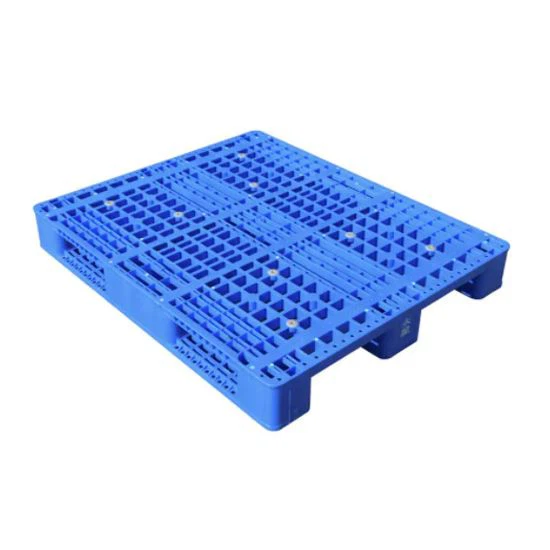

Plastic pallets are lightweight, with weights typically ranging from 10 to 30 pounds. The reduced weight of plastic pallets can lead to significant savings in transportation costs, as more pallets can be loaded onto a truck or container without exceeding weight limits. The lightweight nature of plastic pallets also makes them easier to handle, reducing the risk of worker fatigue and injuries. Workers can move plastic pallets more quickly and efficiently, improving overall productivity in the warehouse.
Cost
Cost is often a deciding factor for many businesses when choosing between plastic and wooden pallets. Wooden pallets are generally less expensive to purchase upfront compared to plastic pallets. The cost of a new wooden pallet can range from $10 to $30, depending on its size, quality, and availability. However, when considering the total cost of ownership, including maintenance, replacement, and transportation costs, plastic pallets can be a more cost - effective option in the long run.
As mentioned earlier, plastic pallets have a longer lifespan and require less maintenance than wooden pallets. They also result in lower transportation costs due to their lightweight design. Additionally, the reduced risk of product damage and the ability to meet strict hygiene requirements can lead to savings in product losses and compliance costs. Over time, the initial higher investment in plastic pallets can be offset by these long - term savings.
Environmental Impact
In today's environmentally conscious world, the environmental impact of pallets is an important consideration. Wooden pallets are made from a renewable resource, and when properly managed, the forestry industry can ensure a sustainable supply of wood. However, the production of wooden pallets requires cutting down trees, which can contribute to deforestation if not done responsibly. In addition, the disposal of used wooden pallets can be a challenge, as they often end up in landfills.
Plastic pallets, on the other hand, can be made from recycled plastics, reducing the demand for virgin materials. Many plastic pallet manufacturers are committed to using sustainable manufacturing processes and incorporating recycled content into their products. At the end of their lifespan, plastic pallets can be recycled into new pallets or other plastic products, minimizing waste and reducing the environmental impact.
Compatibility with Equipment
Both plastic and wooden pallets need to be compatible with the handling equipment used in the warehouse, such as forklifts, pallet jacks, and conveyor systems. Wooden pallets are widely used and compatible with most standard handling equipment. However, their uneven surfaces and loose nails can cause problems for automated systems, leading to jams and malfunctions.
Plastic pallets are designed with precision and consistency, making them highly compatible with automated handling equipment. Their smooth surfaces and uniform dimensions ensure smooth movement on conveyor belts and accurate positioning in racking systems. Some plastic pallets are specifically designed for use with automated guided vehicles (AGVs) and robotic systems, enabling seamless integration into modern warehouse operations.
Specific Plastic Pallet Options
If you are considering plastic pallets for your warehouse, we offer a range of high - quality products. Our Warehouse Four Way Plastic Pallet is designed for easy access from all four sides, allowing for efficient handling with forklifts and pallet jacks. It is suitable for a variety of applications, including general storage and transportation.
For more heavy - duty applications, our Warehouse Four Way HDPE Plastic Pallet is constructed from high - density polyethylene, providing excellent strength and durability. It can withstand heavy loads and is ideal for use in racking systems.
Our Warehouse Racking Plastic Pallet is specifically designed for use in warehouse racking systems. It features a reinforced structure and a flat surface, ensuring stable and secure storage of goods at different heights.
In conclusion, the choice between plastic and wooden pallets depends on various factors, including your specific application requirements, budget, durability needs, hygiene standards, and environmental concerns. While wooden pallets may be a cost - effective option for short - term or low - volume applications, plastic pallets offer numerous advantages in terms of durability, hygiene, weight, and compatibility with modern handling equipment. As a plastic pallet supplier, we are committed to providing high - quality, sustainable, and cost - effective pallet solutions to meet your business needs.
If you are interested in learning more about our plastic pallets or would like to discuss your specific requirements, please feel free to contact us to start a procurement negotiation. We look forward to working with you to find the perfect pallet solution for your business.
References
- "Pallet Design and Manufacturing: A Comprehensive Guide" by John Smith
- "Materials Handling and Logistics Handbook" edited by Jane Doe
- Industry reports from the Material Handling Industry of America (MHIA)


