

What is the stacking strength of plastic pallets?
As a seasoned supplier of plastic pallets, I often get asked about the stacking strength of these essential warehouse tools. Stacking strength is a critical factor when it comes to the efficient and safe storage and transportation of goods. In this blog post, I'll delve into what stacking strength means for plastic pallets, why it matters, and how it can impact your business operations.
Understanding Stacking Strength
Stacking strength refers to the maximum weight that a plastic pallet can support when stacked on top of other pallets. It is typically measured in kilograms or pounds and is a crucial consideration for businesses that rely on vertical storage to maximize their warehouse space. When pallets are stacked, the bottom pallet must bear the weight of all the pallets above it, as well as the weight of the goods they carry. Therefore, the stacking strength of a pallet determines how many pallets can be safely stacked on top of each other without causing damage to the pallets or the goods.
Factors Affecting Stacking Strength
Several factors can influence the stacking strength of plastic pallets. These include:
- Material Quality: The quality of the plastic used to manufacture the pallet is a significant determinant of its stacking strength. High-density polyethylene (HDPE) is a popular choice for plastic pallets due to its excellent strength-to-weight ratio and durability. Pallets made from high-quality HDPE are more likely to have higher stacking strengths than those made from lower-quality plastics.
- Design and Structure: The design and structure of the pallet also play a crucial role in its stacking strength. Pallets with a reinforced bottom deck, thicker walls, and a well-designed support structure are generally stronger and can withstand higher stacking loads. Additionally, pallets with a four-way entry design, which allows for easy access from all sides, are often more stable and can support heavier loads.
- Load Distribution: The way the load is distributed on the pallet can affect its stacking strength. A evenly distributed load is less likely to cause stress concentrations on the pallet, which can lead to damage or failure. It is important to ensure that the goods are properly arranged on the pallet and that the weight is evenly distributed across the surface.
- Environmental Conditions: The environmental conditions in which the pallets are used can also impact their stacking strength. Extreme temperatures, humidity, and exposure to chemicals can all weaken the plastic over time, reducing its strength and durability. It is important to choose pallets that are suitable for the specific environmental conditions in your warehouse or storage facility.
Importance of Stacking Strength
The stacking strength of plastic pallets is crucial for several reasons:
- Safety: Ensuring that your pallets have sufficient stacking strength is essential for the safety of your employees and the protection of your goods. Overloading pallets can cause them to collapse, leading to injuries, damage to the goods, and costly downtime. By choosing pallets with appropriate stacking strengths, you can minimize the risk of accidents and ensure a safe working environment.
- Efficiency: Stacking pallets vertically is an efficient way to maximize your warehouse space and increase storage capacity. By using pallets with high stacking strengths, you can stack more pallets on top of each other, reducing the amount of floor space required for storage. This can help you save on storage costs and improve the overall efficiency of your operations.
- Product Protection: Pallets with sufficient stacking strength can help protect your goods from damage during storage and transportation. When pallets are stacked safely, the goods are less likely to be crushed or damaged by the weight of the pallets above them. This can help you reduce product losses and improve customer satisfaction.
Choosing the Right Pallet for Your Needs
When choosing plastic pallets for your business, it is important to consider the stacking strength requirements of your specific application. Here are some tips to help you choose the right pallet:
- Determine Your Load Requirements: Calculate the maximum weight that your pallets will need to support, including the weight of the goods and the pallet itself. This will help you determine the minimum stacking strength required for your pallets.
- Consider the Application: Think about the specific application in which the pallets will be used. If you need pallets for heavy-duty industrial use, you may need to choose pallets with higher stacking strengths. If you are using pallets for lighter loads or in a more controlled environment, you may be able to choose pallets with lower stacking strengths.
- Choose a Reputable Supplier: It is important to choose a reputable supplier of plastic pallets who can provide you with high-quality products and reliable customer service. Look for a supplier who has a proven track record in the industry and who offers a wide range of pallet options to meet your specific needs.
- Inspect the Pallets: Before purchasing the pallets, inspect them carefully to ensure that they are in good condition and meet your stacking strength requirements. Look for any signs of damage or defects, such as cracks, warping, or uneven surfaces.
Our Plastic Pallet Offerings
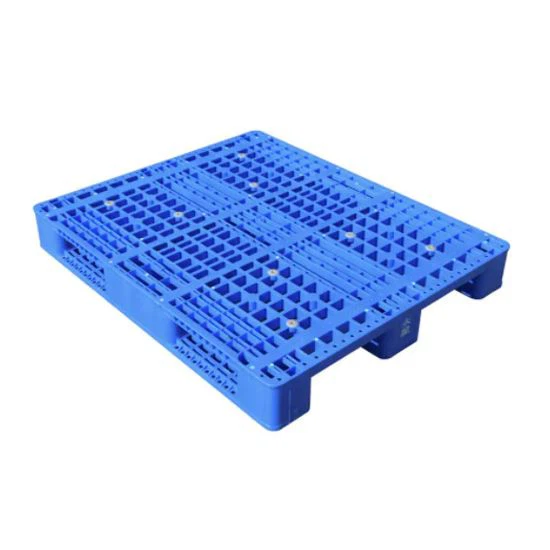
As a leading supplier of plastic pallets, we offer a wide range of high-quality pallets with varying stacking strengths to meet the needs of different industries and applications. Our Warehouse Four Way HDPE Plastic Pallet is made from high-quality HDPE and features a reinforced bottom deck and a four-way entry design, making it ideal for heavy-duty industrial use. With a stacking strength of up to [X] kilograms, this pallet can support heavy loads and is suitable for use in warehouses, distribution centers, and manufacturing facilities.
Our Warehouse Four Way Plastic Pallet is another popular option for businesses looking for a reliable and cost-effective pallet solution. Made from durable plastic, this pallet has a four-way entry design and a stacking strength of up to [X] kilograms, making it suitable for a wide range of applications.
For businesses that require pallets for use in racking systems, we offer the Warehouse Racking Plastic Pallet. This pallet is specifically designed for use in racking applications and features a reinforced bottom deck and a high stacking strength of up to [X] kilograms. With its four-way entry design and excellent stability, this pallet is ideal for use in high-density storage environments.

Contact Us for More Information
If you have any questions about the stacking strength of our plastic pallets or would like to discuss your specific requirements, please don't hesitate to contact us. Our team of experts is here to help you choose the right pallet for your business and ensure that you get the best possible solution for your needs. We offer competitive pricing, fast delivery, and excellent customer service, so you can be confident that you are making the right choice when you choose us as your plastic pallet supplier.
References
- "Plastic Pallets: A Comprehensive Guide." Plastic Pallet Manufacturer's Association.
- "Stacking Strength of Plastic Pallets: Factors and Considerations." Journal of Warehouse Management.
- "Choosing the Right Plastic Pallet for Your Business." Logistics Today.


