

What is the weight capacity of a plastic pallet?
As a supplier of plastic pallets, I often get asked about the weight capacity of our products. Understanding the weight capacity of a plastic pallet is crucial for businesses in various industries, as it directly impacts the safety and efficiency of their operations. In this blog post, I'll delve into the factors that determine the weight capacity of a plastic pallet and provide some insights into our product offerings.
Factors Affecting Weight Capacity
The weight capacity of a plastic pallet is influenced by several key factors. Firstly, the material used in its construction plays a significant role. At our company, we primarily use high - density polyethylene (HDPE) for our plastic pallets. HDPE is known for its strength, durability, and resistance to impact and chemicals. Pallets made from HDPE can generally handle heavier loads compared to those made from other materials.
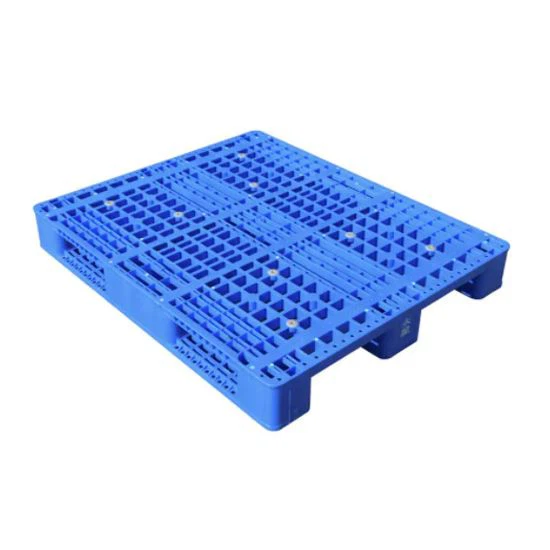
The design of the pallet is another critical factor. There are different types of plastic pallets, such as two - way and four - way entry pallets. Four - way entry pallets, like our Warehouse Four Way Plastic Pallet, allow for forklift access from all four sides. This design provides more flexibility in handling and can distribute the weight more evenly, which in turn increases the overall weight capacity.
The structural features of the pallet also matter. Reinforced ribs, thicker walls, and a well - designed base can enhance the pallet's ability to bear heavy loads. Our Warehouse Four Way HDPE Plastic Pallet is engineered with these features to ensure maximum strength and durability.
Static and Dynamic Weight Capacity
When discussing the weight capacity of a plastic pallet, it's important to distinguish between static and dynamic weight capacity. Static weight capacity refers to the maximum weight a pallet can support when it is stationary, such as when it is stored on a warehouse floor. Dynamic weight capacity, on the other hand, is the maximum weight the pallet can handle while in motion, for example, when it is being lifted by a forklift.
Typically, the static weight capacity of a plastic pallet is higher than its dynamic weight capacity. This is because when a pallet is in motion, there are additional forces acting on it, such as vibrations and impacts. Our pallets are designed to have a sufficient margin between the static and dynamic weight capacities to ensure safe handling in all situations.
Industry - Specific Requirements
Different industries have different requirements when it comes to the weight capacity of plastic pallets. For example, the food and beverage industry often requires pallets that can handle heavy loads of packaged goods. Our Warehouse Racking Plastic Pallet is suitable for this industry, as it has a high weight capacity and is designed to be used in racking systems.
The automotive industry, on the other hand, may need pallets to transport heavy engine parts or other components. We can customize our pallets to meet the specific weight and size requirements of the automotive sector.
Testing and Certification
To ensure the quality and reliability of our plastic pallets, we conduct rigorous testing. Our pallets are tested under various conditions to determine their weight capacity accurately. We also comply with international standards and certifications, which give our customers confidence in the performance of our products.

Our Product Range and Weight Capacities
We offer a wide range of plastic pallets with different weight capacities to meet the diverse needs of our customers. Our standard pallets have a dynamic weight capacity ranging from 1000 kg to 2500 kg and a static weight capacity of up to 6000 kg. For more heavy - duty applications, we can provide custom - made pallets with even higher weight capacities.
Importance of Choosing the Right Weight Capacity
Selecting the right weight capacity for your plastic pallets is essential for several reasons. Firstly, it ensures the safety of your workers and your products. If a pallet is overloaded, it can break or collapse, leading to potential injuries and product damage.
Secondly, it improves the efficiency of your operations. Using pallets with the appropriate weight capacity allows for smooth handling and storage, reducing the risk of downtime due to pallet failures.
Conclusion
In conclusion, the weight capacity of a plastic pallet is determined by factors such as the material, design, and structural features. Understanding the difference between static and dynamic weight capacity and considering industry - specific requirements is crucial when choosing the right pallet for your business.
As a plastic pallet supplier, we are committed to providing high - quality pallets with reliable weight capacities. Our products are designed and tested to meet the highest standards, ensuring the safety and efficiency of your operations.
If you're interested in learning more about our plastic pallets or need help in selecting the right weight capacity for your specific needs, we encourage you to contact us. We're here to assist you in making the best choice for your business and look forward to discussing your requirements with you.
References
- ASTM International standards for plastic pallets
- Industry research on plastic pallet performance and weight capacity


